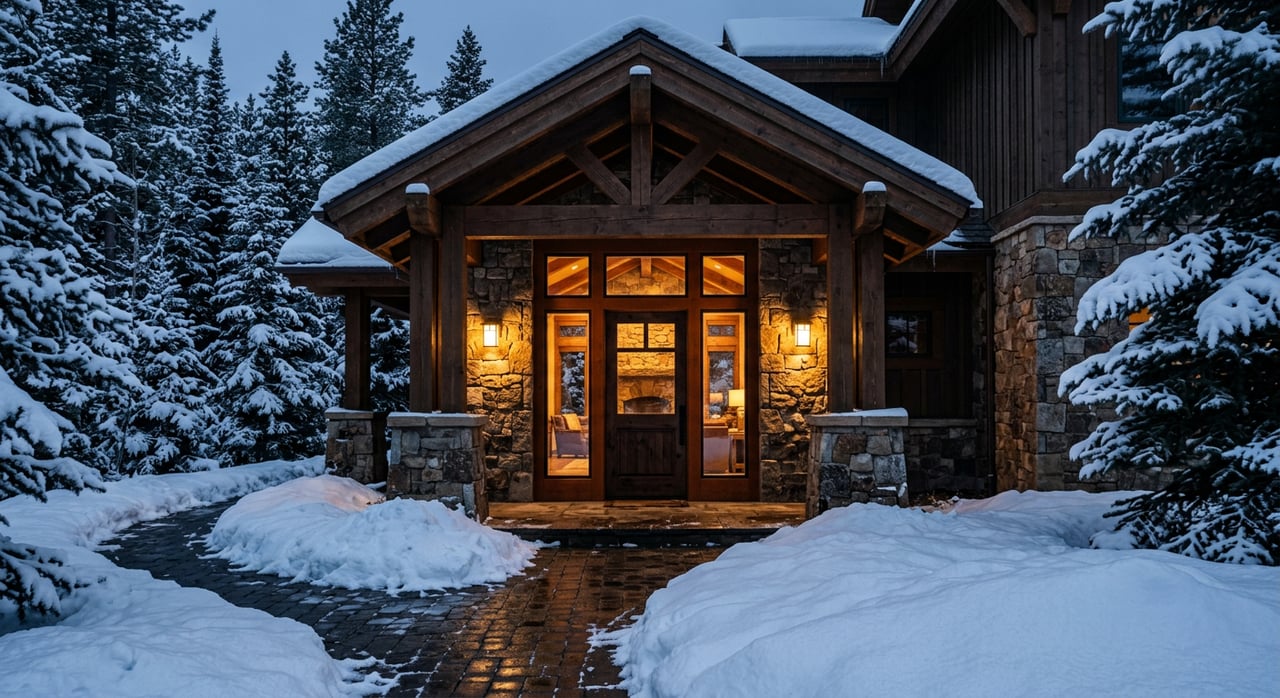
Ever wonder what it really feels like to wake up a few minutes from the gondola, sip coffee on a snow-dusted balcony, and end your day in a steaming hot tub under the stars? Owning a ski condo in Keystone gives you that rhythm, plus a true four-season scene once the snow melts. In this guide, you will learn how day-to-day life flows, where condo buildings cluster, what ownership costs look like, and how short-term rentals work. Let’s dive in.
Keystone at a glance
Keystone is a Summit County resort community that formally incorporated in early 2024, with the resort and its villages at the center of daily life for owners. You will find a mountain scaled for variety, with 21 lifts, about 140 runs, a summit elevation up to 12,408 feet, and average snowfall around 235 inches, all published by the resort. Night skiing has long been part of Keystone’s identity, though the schedule has evolved in recent years, so you should check current hours before planning. Travel from Denver typically runs 1.5 to 3 hours depending on weather and traffic, and shared shuttles operate from Denver International Airport for easy, car-optional trips.
- Learn more about the resort’s mountain stats and night operations on the official site: Keystone Resort.
- Read about Keystone’s history and recent incorporation on Wikipedia.
- Reserve airport transportation or get shuttle context at Epic Mountain Express.
The everyday lifestyle
Winter rhythm from your front door
A typical day in River Run starts with a short walk to the gondola or a 5 to 10 minute shuttle to a base chair. You can ski the morning, pop back to the condo for lunch or a nap, then head out again for a few evening laps if night operations are running. Keystone continues to offer night skiing, but hours have been trimmed in recent seasons. For the latest context on earlier evening closures, see recent local reporting.
- Check event and village programming at the Keystone Neighbourhood Company.
- For news on night-skiing hours changes, see Vail Daily’s coverage.
Summer on the lake and trails
When the snow melts, Keystone pivots to hiking, lift-served mountain biking, and lakeside fun. Keystone Lake becomes a base for paddle sports and a family-friendly boardwalk scene. The villages host concerts, art shows, and seasonal festivals that keep owners visiting year-round. Many owners split their usage between peak winter weeks and long summer weekends.
Where condos cluster
River Run Village
River Run is the main base area and social hub, with condo buildings such as Arapahoe, Red Hawk, and Dakota Lodge that are steps from, or a short walk to, the gondola. The village runs a full slate of events that create a true alpine atmosphere. Units often feature full kitchens, fireplaces, ski lockers, and access to heated pools and hot tubs.
Lakeside Village
Set on Keystone Lake, this village feels relaxed and family-friendly. You can ice skate in winter and paddle in summer, and many buildings are served by free shuttles rather than being directly ski-in or ski-out. Typical complexes include outdoor hot tubs, fitness rooms, and covered parking, which are convenient after a day on the hill.
Nearby owner neighborhoods
You will also find condos and townhomes near Mountain House and in surrounding areas like Wildernest and outlying pockets that rely on the free county bus and resort shuttles. These locations trade a few extra minutes of travel for value or quieter settings. If walkability in ski boots is essential, confirm the exact route and distance before you buy.
What the units look like
Typical Keystone condos range from efficient studios to 1-bedrooms, 1-bedrooms with a loft or lock-off, and 2 to 3-bedroom residences that work well for families. A lock-off gives you flexibility to rent a portion of the unit separately, a product type recognized in Summit County. Interiors often include a full kitchen, fireplace, private balcony, and in some buildings, in-unit laundry. For a sense of finishes and amenities found near the gondola, browse a River Run example on VRBO.
Higher-end new product, like Kindred at the base of River Run, brings on-site spa services, ski valet, and dedicated owner amenities that raise the bar for slopeside living. If you want hotel-like services with a private residence, study how these buildings handle owner usage and rental programs.
- Explore what is coming online at Kindred Resort.
Getting here and getting around
Most owners drive up from the Front Range in 1.5 to 3 hours depending on conditions, with longer times on peak weekends and holidays. Airport shuttles from Denver and Eagle County make car-free visits simple. Once in town, you can rely on free resort shuttles and the county bus network to reach lifts, villages, and nearby towns. That connectivity also makes day trips to other Summit County ski areas an easy option.
Ownership costs in plain English
HOA dues are often your largest recurring cost. In amenity-rich River Run buildings, dues typically cover pools and hot tubs, building heat, snow removal, shuttle funding, master insurance, and reserves. That service level can mean higher assessments, sometimes reaching the mid-four figures per month on slopeside 1-bedroom units, based on recent MLS examples. Smaller or older complexes may carry lower dues but also fewer services.
Property taxes are set by Summit County and vary by taxing district. Reassessments and state-level changes can shift tax bills, so it is smart to look up a specific unit before you write an offer. Use the county’s assessor tools to verify current figures.
- For tax lookups and assessor guidance, visit the Summit County Assessor page.
Insurance is another key line item. At high elevation, you should review coverage for the building and your contents, plus liability if you plan to rent. Ask about freeze protection, pipe insulation, and any history of winter-related issues in the building.
Renting your condo legally
Short-term rental rules in Summit County use a licensing system with categories that affect your booking flexibility and costs. The county distinguishes between the Resort Overlay and Neighborhood Overlay, with different license types and potential caps. If you plan to rent, confirm whether your unit sits in the Resort Overlay, whether a current license exists, whether Type II licenses are capped in that basin, and if there is a waitlist.
- Review current license categories, fees, and processes in the county’s STR fee schedule and planning materials.
- The county’s STR application and affidavit outline compliance, occupancy, and tax remittance responsibilities. Read the license acknowledgements and affidavit.
Most owners use a local property manager or a resort-affiliated program to handle bookings, housekeeping, guest services, and lodging tax filings. The trade-off is straightforward. Third-party management reduces hands-on work but takes a fee, while self-management gives you control over rates and calendars if your HOA allows it.
Buyer checklist for showings
- Confirm whether the unit is in the Resort Overlay or a Neighborhood Overlay and how that affects your STR license options.
- Ask if the condo has an active STR license, whether it transfers, and if Type II licensing is capped in the basin.
- Request current HOA dues, a list of included services, reserve study status, and any planned special assessments.
- Verify the exact walk or shuttle time to the gondola, including the path you would take in ski boots.
- Review parking assignment, guest parking rules, elevator access, ski locker location, and HOA rules for in-unit rentals.
- Ask about building systems, including heat source, water shutoffs in each unit, and the dates of recent roof, boiler, or mechanical work.
Is a Keystone ski condo right for you?
If you want lift access measured in minutes, a steady calendar of village events, and the option to rent within clear local rules, Keystone checks the boxes. You will balance higher dues in amenity-heavy buildings against pure convenience and liquidity in the rental market. With thoughtful due diligence on HOA health, tax load, and STR licensing, you can set clear ownership goals and enjoy the mountain on your terms.
Ready to see how your wish list fits the market in real time? Connect with the local team at Breckenridge Mountain Brokers to map out options, run numbers, and tour the buildings that match your lifestyle.
FAQs
How does night skiing work at Keystone today?
- Keystone continues to offer night skiing, but the nightly window has been reduced in recent seasons. Check the resort’s night operations page before you plan evening laps.
What are typical HOA dues for River Run condos?
- Dues vary by building and size, but amenity-rich River Run buildings often carry higher monthly assessments that cover heat, pools, hot tubs, shuttles, master insurance, and reserves. Ask for current HOA budgets and reserve studies.
Can I legally rent my Keystone condo on Airbnb or VRBO?
- Yes, if you have the proper Summit County STR license and your HOA allows it. The license category depends on whether the property is in the Resort Overlay or a Neighborhood Overlay, and caps may apply.
Do I need a car to enjoy a Keystone condo?
- Not necessarily. Airport shuttles serve Keystone and free resort and county buses connect villages, base areas, and nearby towns. A car can help on peak weekends or for day trips, but it is not required.
How long is the drive from Denver to Keystone?
- Plan for about 1.5 to 3 hours each way depending on your starting point, weather, and traffic. Winter weekends and holidays can add time, so build in buffers.
What is a lock-off and why does it matter?
- A lock-off is a room or suite within a condo that can be rented separately, giving you flexibility to maximize occupancy and personal use. Confirm HOA and county rules before relying on lock-off income.