Buying in Keystone is exciting, but HOA costs and amenities can get confusing fast. One condo may come with village perks and shared services, while another may have a very different fee structure, rental policy, or amenity package. If you want to compare properties with confidence, it helps to know what questions to ask before you close. Let’s dive in.
Keystone HOA Basics
Keystone’s HOA setup is not always a simple one-fee system. In several core resort neighborhoods, the Keystone Neighbourhood Company, or KNC, operates as an umbrella master HOA. It oversees areas including River Run Village, Ski Tip Ranch, Trappers Crossing, the Alders, River Meadows, Settlers Creek, River Run Townhomes, Lone Eagle, and Timbers Lodges.
KNC handles a range of shared responsibilities in those neighborhoods. That includes common-area maintenance, snow and litter removal, landscaping, security, events, and certain shared facilities such as Warren Station and the pool near Dakota Lodge. If you are comparing properties in Keystone, this master-association structure matters because your total ownership cost may include more than one layer of dues.
Keystone also became an incorporated town on February 8, 2024. Even with that change, KNC states that incorporation did not change its role as a master HOA for the neighborhoods it governs. That means buyers still need to look closely at both building-level and master-association obligations.
Why One HOA Number Can Mislead
A listing may show an HOA amount, but that number does not always tell the full story. In KNC-governed neighborhoods, buyers should confirm whether the quoted amount includes only building-level dues or also master-association assessments. Without that breakdown, it is hard to compare one property fairly against another.
KNC also describes an annual real-estate assessment based on county assessed value. It is billed in late May and due June 30. On top of that, KNC states there is a 2% real-estate transfer assessment when title changes.
For you as a buyer, the takeaway is simple: monthly dues may be only one part of the cost picture. Before you make an offer, ask for a full list of recurring and one-time assessments tied to that property.
What HOA Dues Usually Cover
In Colorado, HOAs generally use regular assessments to fund day-to-day operations. According to the Colorado Division of Real Estate, special assessments are typically used for specific repairs, replacements, or new construction, while reserve funds are set aside for larger deferred or unexpected expenses. That framework helps explain why dues can vary widely between buildings.
In many condo and townhome communities, the association is generally responsible for maintenance, repair, and replacement of common elements, while the owner is responsible for the unit itself. In Keystone, that often means dues may support services like snow removal, landscaping, common-area upkeep, and management. Insurance responsibilities and reserve funding can also be part of the equation, depending on the governing documents.
This is one reason a lower HOA fee is not always the better value. If one association has stronger reserve funding or covers more exterior maintenance, the higher fee may actually reduce future surprises.
Keystone Amenities Can Differ A Lot
Amenities in Keystone are not interchangeable. Two properties may both be in resort areas, but the actual lifestyle package can be very different depending on the neighborhood, building, and association structure. That is why it is important to compare dues against the amenities and services actually maintained by the association.
KNC highlights a set of shared homeowner amenities that includes the pool adjacent to Dakota Lodge, River Run fire pits, Dercum Square mini-golf in summer, ice skating in winter, and village features such as the playground, amphitheater, bike path, and event spaces. For some buyers, that kind of access adds meaningful value to ownership.
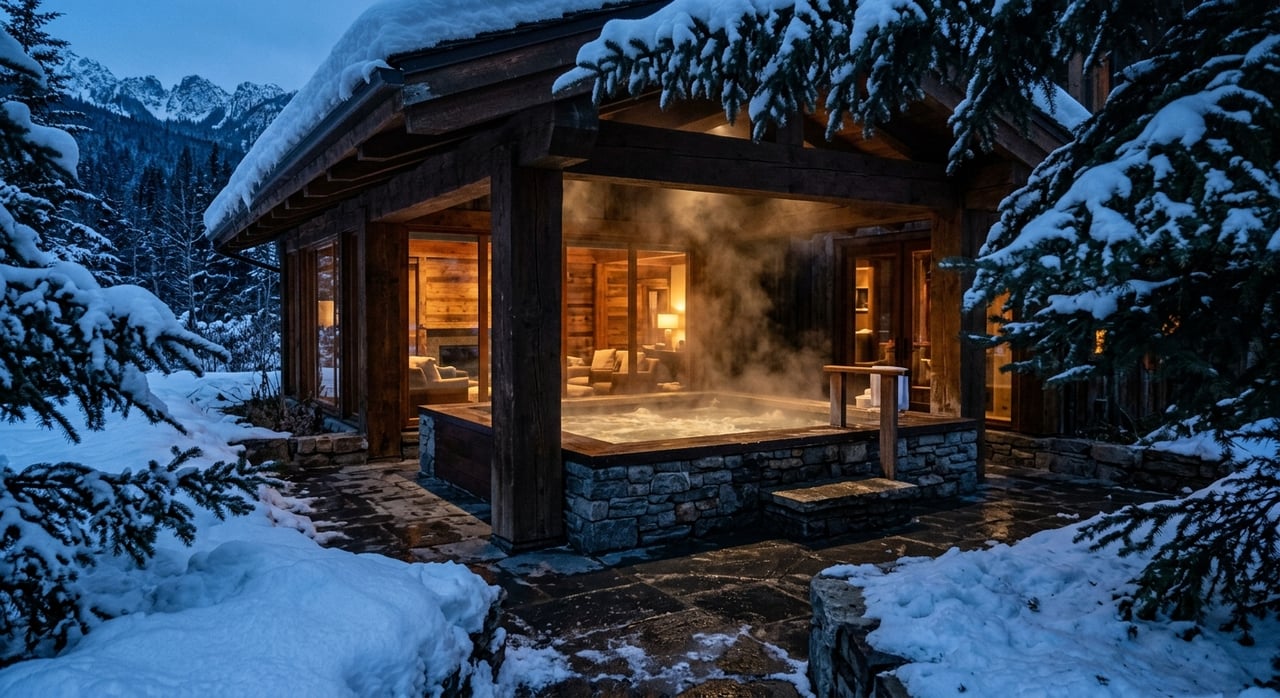
Other properties offer a more hotel-style amenity set. Keystone Lodge & Spa, for example, lists amenities such as spa access, a 24/7 fitness center, complimentary on-call shuttle service throughout Keystone Resort, ski storage, a heated outdoor pool, indoor and outdoor hot tubs, sauna and eucalyptus steam room access, and on-site dining. That kind of package can create a very different ownership experience than a more basic condo association.
How To Compare Amenities Smartly
When you tour or review listings, try to go beyond broad words like “resort amenities.” Ask for a specific list of what owners can use and whether access is shared across a village, limited to one building, or controlled by a separate program. That clarity can help you avoid paying for features you may not use or assuming access that is not included.
A smart comparison usually includes questions like these:
- Which amenities are included for owners?
- Are any amenities seasonal?
- Are amenities shared with other buildings or neighborhoods?
- Is shuttle access included?
- Are pools, hot tubs, fitness areas, or event spaces maintained by the HOA?
- Do dues support those amenities directly?
In a mountain market, this matters more than many buyers expect. Snow removal, exterior upkeep, and amenity maintenance all affect both convenience and long-term ownership costs.
Rentals In Keystone: Town Rules And HOA Rules
If you are buying with rental income in mind, you need to review both town rules and HOA rules. Inside Keystone town limits, short-term rental regulations now run through the Town of Keystone rather than Summit County. The town states that a Keystone short-term rental license costs $285 per year.
The town also states that property owners, marketplace facilitators, property management companies, and other businesses providing short-term rentals are responsible for collecting and remitting the 2% lodging tax, depending on the arrangement. That tax took effect on January 1, 2025. In addition, the town says complaints are handled by the town, not the county, beginning October 1, 2024.
Still, town approval does not automatically mean an HOA allows short-term rentals. Colorado guidance makes clear that associations may adopt rules that govern common areas and, to a certain extent, unit use, including rental and leasing restrictions. In practice, that means a property could be allowed by the town but still limited by its declaration or association rules.
Why Rental Rules Need A Close Read
For investors and second-home buyers, rental restrictions can shape the entire value of a purchase. Some associations may limit short-term rentals, require minimum lease terms, or apply use rules that affect how often and how easily you can rent. Those details should be reviewed in writing, not assumed from a listing description.
This is especially important in Keystone, where buyers often compare properties based on both personal use and income potential. A building with strong amenities may still be a poor fit if its rental rules do not match your goals. Clear due diligence upfront can save you time, money, and frustration later.
What To Review Before Closing
Before you go under contract or finalize your review, it is worth asking for a full HOA due-diligence package. Colorado guidance recommends reviewing the declaration and other HOA documents, asking about litigation or governance issues, and confirming whether the HOA is registered with the Colorado HOA Information & Resource Center. In many cases, a prospective buyer can also obtain the declaration from the county clerk and recorder before going under contract.
For a Keystone property, your review packet should include the key documents that explain both costs and restrictions. These records can help you understand what the HOA covers today and where future expenses may come from.
Here is a practical checklist:
- CC&Rs or declaration
- Bylaws
- Rules and regulations
- Current budget
- Reserve study or reserve funding policy
- Recent financial statements
- Meeting minutes
- Insurance information
- Any pending special assessments
- Written rental and use rules for the unit
Questions Every Keystone Buyer Should Ask
Even with documents in hand, the right questions can reveal issues that numbers alone do not. If you are comparing condos, townhomes, or resort-area homes, ask direct questions and get the answers in writing when possible. That is often the fastest way to spot differences between similar-looking properties.
Start with these:
- What exactly does the HOA fee cover?
- Does the total cost include both building and master HOA dues?
- Are there transfer fees or real-estate assessments?
- Are there any pending special assessments?
- Which amenities come with the unit?
- Are short-term rentals allowed, and under what rules?
- Who handles snow removal and exterior maintenance?
- What insurance does the HOA carry for common areas?
When you ask these questions early, you can compare properties based on real ownership costs rather than surface-level marketing. That leads to better decisions, especially in a complex mountain market like Keystone.
The Bottom Line For Keystone Buyers
Keystone offers a wide range of ownership options, from village condos with shared amenities to properties with more limited common features and very different fee structures. The key is understanding that HOA dues are only meaningful when you know what they cover, what they do not cover, and whether extra assessments or transfer costs apply. In a market with master associations, town rental rules, and building-specific amenities, details matter.
If you want help comparing Keystone properties side by side, working with a local team can make the process much clearer. Breckenridge Mountain Brokers helps buyers across Summit County evaluate HOA costs, rental rules, and mountain-market details so you can move forward with confidence.
FAQs
What does an HOA usually cover in Keystone condos?
- HOA dues often support common-area maintenance, snow removal, landscaping, management, and other shared expenses, but the exact coverage depends on the association’s governing documents.
What is the Keystone Neighbourhood Company for Keystone buyers?
- KNC is a master HOA for several core Keystone neighborhoods, and in those areas your ownership costs may include both building-level dues and master-association assessments.
Are Keystone HOA amenities the same in every building?
- No. Amenities can vary significantly by neighborhood and building, so you should compare the actual amenity package tied to each property instead of assuming they are similar.
Can you use a Keystone property as a short-term rental?
- Possibly, but you need to review both Town of Keystone short-term rental rules and the HOA’s rental restrictions, because town approval does not override HOA rules.
What extra HOA costs should Keystone buyers watch for?
- In some KNC-governed neighborhoods, buyers should ask about annual real-estate assessments, transfer assessments at closing, and any pending special assessments.
What HOA documents should you review before buying in Keystone?
- You should review the declaration, bylaws, rules and regulations, budget, reserve information, financials, meeting minutes, insurance details, pending special assessments, and written rental rules for the unit.