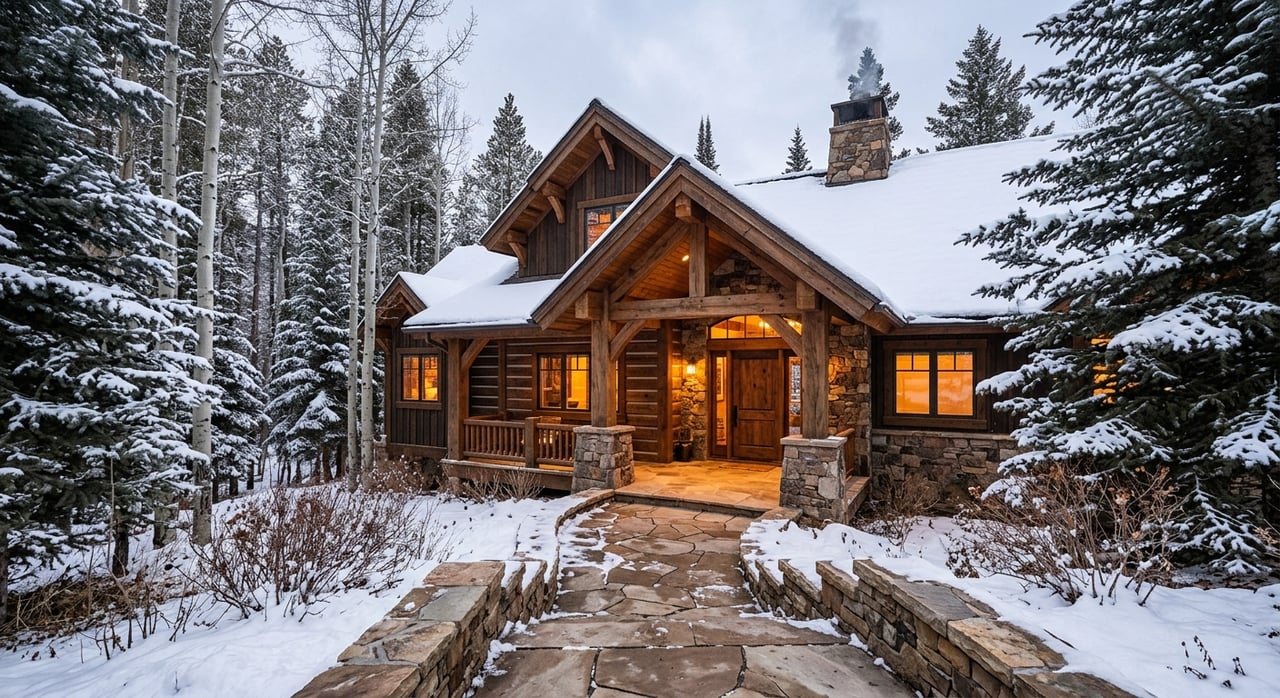
Thinking about selling your Breckenridge property? In a mountain market, getting ready to list is about more than tidying up and taking photos. You need a plan that fits local seasonality, current buyer behavior, and the details that matter at 9,500 feet. This guide walks you through how to prepare, price, and position your home so you can move forward with more clarity and confidence. Let’s dive in.
Understand Today’s Breckenridge Market
If you are getting ready to sell, start with the reality of the current market. In March 2026, Breckenridge was described by Realtor.com as a buyer’s market, with a median listing price of $1,500,000, median days on market of 82, and homes selling about 4% below asking on average.
That does not mean you cannot sell well. It does mean buyers may have more choices and more room to compare properties closely. In this kind of market, preparation, pricing, and presentation carry even more weight.
Looking at the wider county picture helps too. The Colorado Association of REALTORS’ March 2026 update showed year-to-date median sales prices in Summit County at $1.85 million for single-family homes and $825,000 for townhomes and condos, with days on market above 100 in both categories and 4.2 months of supply for single-family homes.
Time Your Listing for Mountain Conditions
In many markets, spring is often the standard advice for sellers. Realtor.com’s 2026 benchmark pointed to mid-April as the ideal national week to sell, but Breckenridge does not always follow a flatland calendar.
Local weather matters here. NOAA climate normals for Breckenridge show an elevation of 9,598 feet and average annual snowfall of 185 inches, with meaningful snowfall still possible in spring and fall shoulder seasons.
That seasonal pattern affects how your home shows. Access, snow removal, driveway usability, and exterior appearance can all shape a buyer’s first impression. In practical terms, the best time to list is often when your home can be shown clearly, safely, and at its best. We find that the busiest selling season in the mountains is mid-June through late October.
It also helps to remember that demand in Summit County tends to be seasonal. A county short-term rental study found occupancy peaks in February-March and July, with dips in May and November. That is not a direct rule for home sales, but it does reinforce that mountain-market activity often moves in seasonal waves.
Focus on Winter-Ready Curb Appeal
In Breckenridge, exterior presentation starts with function. Buyers notice whether a home looks easy to access and maintain during snow season, even if showings take place in warmer weather.
Before your home goes live, pay close attention to the basics if listing with snow on the ground:
- Clean the roofline where visible
- Clear gutters and downspouts
- Shovel and sand walkways
- Make entry paths easy to follow
- Keep house numbers visible
- Make the driveway look usable and well maintained
- Refresh entry mats and front-door presentation
These steps may sound simple, but they can change how a buyer feels before they even step inside. In a snowy market, a home that appears straightforward and well cared for often feels more move-in ready.
Prepare Interiors for Mountain Buyers
Inside the home, buyers are often looking for comfort, function, and ease. In Breckenridge, that can mean something a little different than it would in other places.
Mountain buyers often respond well to spaces that feel turnkey for all seasons, especially winter. Organized gear storage, a practical mudroom or transition area, well-maintained windows, and outdoor spaces that keep the focus on the views can all support a stronger presentation.
If your home has a fireplace or inviting living area, make sure it looks clean and well cared for. If your entry tends to collect boots, jackets, or outdoor gear, create a clear system so the space feels useful rather than crowded.
The goal is not to over-style the home. The goal is to help buyers picture how the property works for mountain living.
Gather Documents Before You List
One of the smartest things you can do before listing is organize your paperwork early. In Breckenridge, buyers often ask detailed questions, and having records ready can make the process smoother.
Try to gather:
- Service and maintenance records
- Ages of major systems and appliances
- HOA documents, if applicable
- Past inspection records
- Radon test results and mitigation information, if available
- Septic and well permits, service history, and related records, if applicable
- Any rental history, if available, or rental projections from a local property management company
Colorado requires sellers to provide known radon test results and information about mitigation or mitigation systems. The Colorado Department of Public Health and Environment also says radon is common across the state, and about half of Colorado homes test above the EPA action level.
If your property has an on-site wastewater treatment system, keeping permits and maintenance records handy is especially helpful. CDPHE notes that these systems are regulated under Regulation 43, with local counties handling permitting for smaller systems. Having those details organized can reduce delays during due diligence.
Be Ready to Disclose Known Issues
A smoother sale often starts with honest preparation. In Colorado, brokers must disclose adverse material facts actually known to them, including things like structural defects, certain environmental hazards, zoning or building code violations, nonconforming uses, and soil conditions.
For you as a seller, that means it is wise to address known issues early with your agent instead of waiting for the inspection period. Surprises late in the process can slow the transaction or weaken your negotiating position.
Price for the Market You Have
Pricing is one of the most important parts of getting ready to sell. In a market where homes are taking longer to move and selling below asking on average, overpricing can quickly work against you.
A strong price should reflect comparable sales, local demand, recent price trends, and the specific strengths of your property. In Breckenridge, buyers tend to compare homes carefully, especially when inventory gives them options.
This is where local strategy matters. A home that enters the market at a realistic, well-supported price often has a better chance of attracting serious attention than one that starts high and sits.
Highlight the Features That Matter Most
Not every upgrade carries the same weight in a mountain market. In Breckenridge, buyers are often focused on features that improve usability, lifestyle, and long-term value in this setting.
Depending on the property, the most important selling points may include:
- Ski access or proximity to area trails or bus stops
- Garage space and gear storage
- Views of surrounding mountains or valleys
- Updated kitchens and baths
- Winter-ready access
- Sense of privacy or seclusion from neighbors
- HOA or rental advantages that fit the property’s legal use
The buyer pool here is also mixed. A long-run Summit County housing study found that local buyers made up about 27% of purchases from 2013 to 2023, while short-term rental ownership in the county was overwhelmingly nonlocal. That means your listing may need to appeal both to nearby buyers and to second-home shoppers coming from outside the area. Second-home buyers are also split between the need to short term rent a property and the desire for a mountain escape.
Your marketing should help each buyer quickly understand what makes the home practical, desirable, and distinctive in Breckenridge.
Verify Rental Status Before Marketing It
If your property has short-term rental appeal, confirm the details before you market that angle. In Breckenridge and in surrounding communities, short-term rentals require a valid license for each property.
It is also important to know that HOA covenants may impose additional limits, and a short-term rental license is not transferable when a property sells. That means rental ability should be verified before pricing the home, promoting rental potential, or making any income-related claims.
This step can protect you from avoidable confusion and help buyers understand the property more clearly. In a market with many second-home and investor-minded shoppers, accuracy matters.
Build a Pre-Listing Checklist
If you want a simple way to get organized, start with this pre-listing checklist:
- Review current Breckenridge and Summit County market conditions
- Choose a listing window based on access and presentation
- Improve curb appeal
- Declutter and organize living spaces
- Gather service records and major system details
- Pull HOA documents, if applicable
- Organize radon records and mitigation details
- Collect septic and well permits and maintenance history, if applicable
- Discuss known issues and disclosures early
- Verify rental and HOA rules before making marketing claims
- Work with your agent on pricing and positioning
A clear checklist helps you move from “thinking about selling” to actually being ready. It can also reduce stress once showings begin and offers start to come in.
Why Preparation Pays Off in Breckenridge
Selling in Breckenridge is not just about listing a property. It is about presenting a mountain home in a way that matches local conditions, buyer expectations, and current market realities.
When you prepare early, price carefully, and organize the details that matter, you give your home a better chance to stand out. You also make the transaction easier for buyers, which can help keep momentum strong once you go under contract.
If you are getting ready to sell and want guidance tailored to your property, neighborhood, and goals, Breckenridge Mountain Brokers can help you build a smart, mountain-specific plan from day one.
FAQs
What is the current home selling market like in Breckenridge?
- In March 2026, Breckenridge was considered a buyer’s market, with median days on market of 82 and homes selling about 4% below asking on average.
When is the best time to sell a home in Breckenridge?
- The best timing depends on both market activity and mountain conditions, since snow, access, and seasonal presentation can affect how well your home shows. We find June through October is the prime selling season.
What should sellers fix or prepare before listing a Breckenridge home?
- Focus on winter-ready curb appeal, organized interior spaces, visible maintenance, and practical features like clear walkways, storage areas, and well-kept windows.
What documents should sellers gather before listing a home in Breckenridge?
- Sellers should organize service records, ages of major systems, HOA documents, inspection records, radon documents, and septic permits or maintenance records when applicable.
What do Breckenridge sellers need to know about radon disclosures?
- Colorado sellers must provide known radon test results and information about any mitigation or mitigation systems, and radon is common throughout the state.
What do sellers need to verify about short-term rentals in Breckenridge?
- Sellers should confirm whether the property is applicable for a valid short-term rental license, understand any HOA restrictions, and avoid making rental claims unless the property’s status is verified.