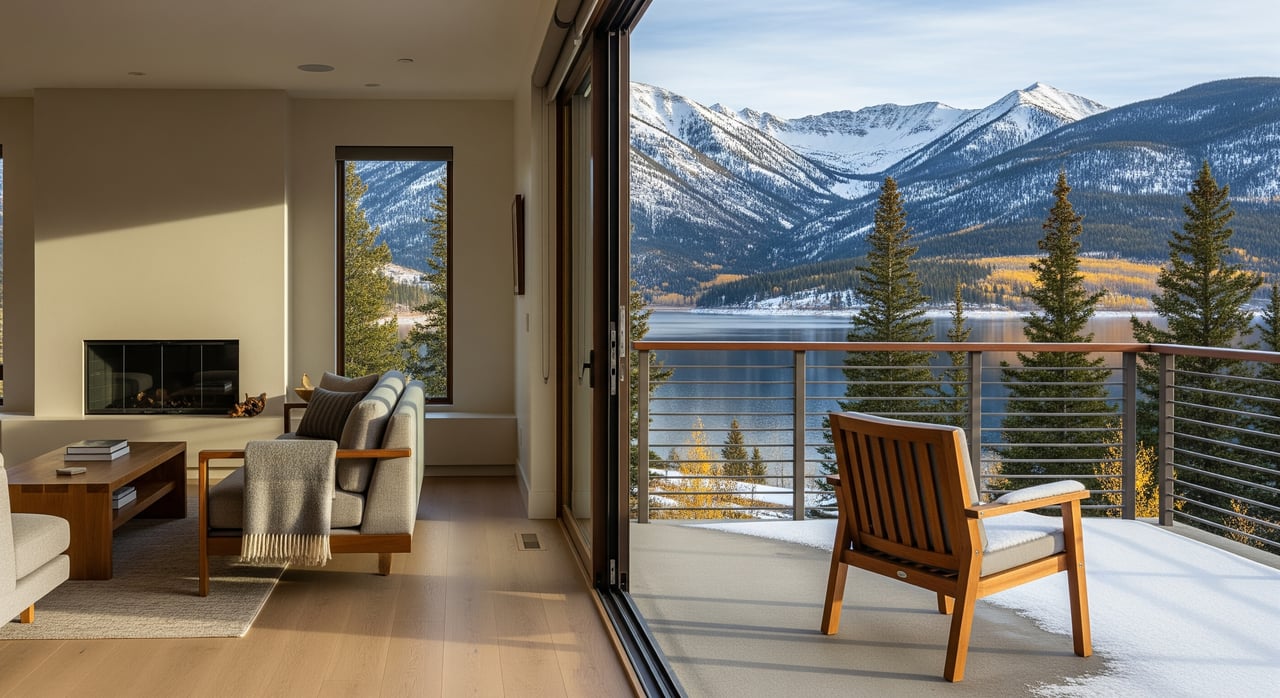
Thinking about buying or selling a Frisco condo but not sure whether ski season or summer will work in your favor? You’re not alone. In a resort market like Frisco, timing can shape price, days on market, and your negotiating power. In this guide, you’ll learn how the local seasons typically influence demand, what metrics to watch, and practical steps to position your move. Let’s dive in.
Why seasons matter in Frisco
Frisco’s condo market runs on two main cycles: ski season and the summer lake season. Each season brings a different mix of visitors and touring windows, which shifts how quickly condos sell and how close they close to list price.
- Ski season, roughly November through April, draws second-home buyers and visitors who value winter amenities. Interest often spikes around holiday periods from mid-December through February, which can translate into faster sales and stronger pricing when inventory is tight.
- Summer, roughly June through August, highlights Lake Dillon access, Frisco Bay Marina, family travel, and outdoor events. Demand is strong but spread across the season, with many weekend showings.
- Shoulder seasons, late spring and early fall, tend to see softer demand. Inventory can feel higher, days on market often stretch, and negotiation opportunities increase.
- Short-term rental potential can be a value driver. STR-friendly condos often trade at a premium when rental rules and taxes support viable income. HOA policies and local ordinances can raise or lower that premium, so confirm the details for each building.
What the numbers usually show
You can understand seasonal patterns by tracking a few simple metrics for Frisco condos:
- Days on Market. Shorter in peak seasons, longer in shoulder months.
- List-to-sale price ratio. Often near or above 100 percent in tight winter or early summer conditions, closer to or below list in off-peak windows.
- Inventory and absorption. Inventory tends to dip into ski season and rise after it. When months of inventory is low, sellers have the advantage.
- Price per square foot. Can move quickly in a small market, especially when a few high-end or STR-capable sales close in the same month.
Frisco is a small market, so a handful of closings can skew a single month. It helps to compare seasonal averages over the last 3 to 5 years, group months by season, and use a rolling three-month view to smooth noise.
Seller game plan by season
If you want to meet buyers where they are, build your timeline around their travel patterns and showing habits.
When to list
- To capture ski-season demand, go live 4 to 8 weeks before your target holiday or event window. This gives you time for top-of-funnel exposure before tours spike.
- For lake-season buyers, aim to list by late May or early June to benefit from steady summer weekends and school break travel.
- If you must list in a shoulder month, use pricing and incentives to draw attention. The right positioning can still move a condo if it shows well and is easy to access.
Pricing that fits the moment
- In peak season, price relative to recent seasonal comps and current actives. If inventory is tight and absorption is high, you may not need large concessions to get strong offers.
- In shoulder months, expect longer days on market. Consider a slightly sharper list price, an early price-adjustment plan, or small credits for HOA dues to keep your listing competitive.
A 30-day prep checklist
Ski-season listing prep:
- Service heating and snowmelt systems, secure snow removal, and install clear access signage.
- Stage or highlight ski storage, gear rooms, heated garage or reserved parking, and shuttle or transit access to nearby resorts.
- Capture winter lifestyle photography if possible, including views and on-site amenities.
Summer listing prep:
- Clean and stage outdoor spaces, decks, and storage for bikes or paddle gear.
- Highlight proximity to Lake Dillon and Frisco Bay Marina, bike paths, and trailheads.
- Add bright, warm-weather photos that show natural light and outdoor living.
Across seasons:
- Pre-inspect common issues for your building type, gather HOA documents, and confirm rental rules.
- Make small repairs, deep clean, and declutter. Good photography multiplies your exposure.
Marketing that fits the season
Your listing description and visuals should match why buyers are in town.
- In winter, highlight heated parking, ski lockers, fireplace details, and transit convenience. Mention any winterized plumbing or recent mechanical updates that reduce worry.
- In summer, lead with lake access, views, patios, airflow, storage, and proximity to marina activities and bike paths.
- If STR use is allowed, present clear, factual data. Share permit status, typical booking windows by season, and historical gross revenue if available.
Buyer playbook to time your move
The best time to buy depends on your goals. Decide whether speed, selection, or negotiation leverage matters most.
- Pre-ski-season and early ski season. Attractive new inventory often hits right before or early in ski season. Be ready with pre-approval and move quickly on the right unit.
- Shoulder months. You may face less competition, with more room to negotiate price or credits. Selection can be thinner for specific buildings or views.
- Financing. Second-home loans can require larger down payments and carry different rates. Get pre-approved early so you can write clean, responsive offers.
- Inspections. In winter, plan for snow and limited roof or deck access. Build in time for follow-up checks when snow recedes if needed.
- STR checks. If rental income matters, verify permit rules, HOA minimum stays, tax obligations, and realistic occupancy by season. Align cash flow forecasts with your lender’s requirements.
STR rules and pricing power
Short-term rental eligibility can influence price and days on market. Buildings and zones that allow STRs tend to attract second-home and investor demand, especially near resorts and lake amenities. That demand can lift list-to-sale ratios in peak seasons. Where rules are limited or permits are constrained, pricing may behave more like an owner-occupied segment.
If income is part of your plan, confirm the exact HOA policies, local permitting, and tax obligations before you write an offer or set a list price. Treat historical rental income as context, not a guarantee, and factor in seasonality of bookings.
Read the data wisely
Because Frisco has a small condo base, data can look choppy month to month. Here is how to get a clearer picture:
- Use at least three years of monthly data and focus on seasonal comparisons: ski versus summer versus shoulders.
- Rely on seasonal medians and three-month moving averages to smooth out outliers.
- Compare each season year over year to see if trends are strengthening or cooling.
- Segment by bedroom count and STR eligibility when possible. A studio near the marina behaves differently than a 3-bedroom townhome with garage parking.
- Watch absorption and months of inventory as early signals of a shift in leverage between buyers and sellers.
How we help in Frisco
You deserve clear, local guidance that matches the rhythm of a mountain market. We help you read the season, position pricing, and weigh tradeoffs between speed, selection, and negotiation. For sellers, we pair neighborhood-specific valuation with polished marketing and seasonally relevant storytelling. For buyers and investors, we provide HOA and rental guidance, property-level analysis, and hands-on transaction management.
If you are deciding whether to act before the next big snow or to wait for lake season, reach out. The right timing can put real dollars in your pocket and reduce stress at closing. Start the conversation with Breckenridge Mountain Brokers.
FAQs
When is the best month to sell a Frisco condo?
- Winter holiday windows and early ski season often bring faster tours and stronger list-to-sale ratios, but the best month for you depends on your condo type, building rules, and current inventory.
Is summer cheaper for buyers in Frisco?
- Summer can offer steady selection, and shoulder months sometimes bring more negotiation room, but pricing depends on comparable units and whether STR-friendly condos are competing for attention.
How does STR eligibility affect price?
- STR-capable condos can command a premium because investor and second-home demand is deeper, but the size of that premium depends on permit rules, HOA policies, and realistic seasonal occupancy.
How long will my condo take to sell?
- Days on market are usually shorter in peak seasons and longer in shoulder months. Your actual timeline depends on pricing, presentation, access, and how your unit stacks up against current actives.
Should I wait for ski season to list?
- If your condo shines for winter buyers, listing 4 to 8 weeks before a key ski window can help. If you have strong lake or outdoor features, an early summer launch can work just as well.
What metrics should I watch before I act?
- Track days on market, list-to-sale ratio, months of inventory, and current active competition for your segment. Compare those figures by season rather than by single months.