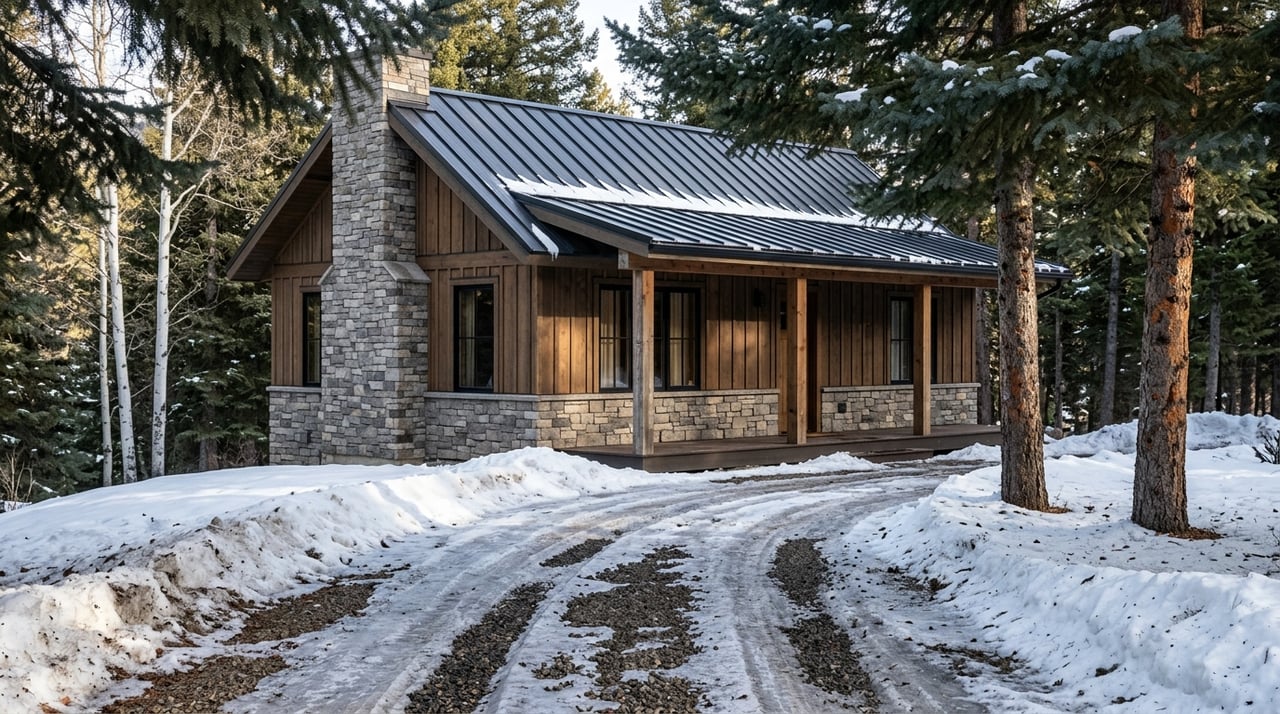
If you are dreaming about a cabin in Alma, it helps to know that this is not a plug-and-play mountain market. At 10,578 feet above sea level, Alma offers a true high-country setting where access, weather, utilities, and town rules can shape your ownership experience as much as the cabin itself. If you understand those factors before you buy, you can make a more confident decision and avoid surprises after closing. Let’s dive in.
Why Alma Feels Different
Alma is a very small statutory town in northwest Park County, located at the junction of Buckskin Creek and the Middle Fork of the South Platte River. According to the Town of Alma comprehensive plan, the town covers just 0.362 square miles and sits in a narrow valley with alpine peaks rising on both sides.
That geography is a big reason buyers are drawn to Alma. You get a close-knit mountain setting with nearby hiking, fishing, and skiing, plus access via State Highway 9 about 26 miles south of I-70 at Frisco. It also helps explain why inventory can feel limited, especially if you are focused on cabins in town.
Start With Access and Roads
In Alma, road access is not a small detail. It should be one of your first questions when evaluating any property.
Park County’s development guidelines state that the county maintains only roads on the county road system. The county is not responsible for state highways, town streets, private roads, or subdivision roads that are not part of the county system.
That distinction matters in winter. The same county guidance says some remote roads may be graded only once a year, if at all, and snow removal on lower-priority roads is considered a courtesy rather than a requirement.
Before you buy, ask:
- Is the road county-maintained, town-maintained, or private?
- How often is the road plowed in winter?
- Can you realistically reach the property in snow with your usual vehicle?
- Is there enough room on site for snow storage?
- Can plows, delivery trucks, and emergency vehicles turn around easily?
Driveways matter too. Park County requires property owners to identify driveway locations and obtain a driveway permit before construction, and owners are responsible for building and maintaining their own driveways and parking areas. For a cabin outside town limits, that can be a major part of your long-term ownership costs and winter planning.
Expect Serious Mountain Conditions
Alma’s climate is not mild, and buyers should treat that as a core part of cabin due diligence. The Town of Alma building department lists a roof snow load of 100 psf, a winter design temperature of 2F, a frost line depth of 44 inches, and a required ice-barrier underlayment.
Those numbers tell you a lot about what homes in this area have to withstand. Even if a cabin looks charming and cozy, you still want to understand how it performs under heavy snow, deep cold, and freeze-thaw cycles.
For an existing cabin, pay close attention to:
- Roof condition
- Attic ventilation
- Heating system age and service history
- Pipe insulation and freeze protection
- Signs of ice damming or snow-related wear
These are not luxury-level details. In Alma, they are basic mountain-property questions.
Know Whether the Property Is in Town
One of the most important things to verify is whether the cabin is inside Alma town limits or outside them in Park County. That single detail can affect permits, zoning, utilities, and future improvement plans.
If a property is inside town limits, Alma’s building department handles permits and inspections. If it is outside town limits, Park County does. Alma also notes that it uses one project permit for plumbing, electrical, and mechanical scopes, which is useful context if you are thinking about updates after closing.
This matters because buyers often assume nearby properties operate under the same rules. In Alma, that may not be true. A cabin just outside town can fall under a very different set of county requirements.
Check Water and Septic Early
Utilities are another area where mountain buyers need clarity right away. Within Alma’s Residential District, the zoning code says development must be served by municipal or district water and sanitation systems. The town’s services page also posts drinking-water consumer-confidence reports, which confirms that town water service is part of the local utility picture.
Still, you should never assume a specific cabin is on town service. Buyers need to confirm whether the property is connected to town or district systems, or whether it relies on a private well and septic system.
If the home has a private well, the Colorado Department of Public Health and Environment says private wells are not regulated under the federal Safe Drinking Water Act, the homeowner is responsible for the water, and well water should be tested at least once a year. The agency also notes that water quality can vary based on well depth, geology, nearby land use, groundwater, and the condition of the well itself.
You can also review records through the Colorado Division of Water Resources well-permitting system. Existing files may include allowable uses, the original application, and available well construction and pump records. That can be valuable information before you move forward on a rural cabin purchase.
For homes outside town, Park County Environmental Health works with landowners on septic and driveway permits and site evaluations. In practical terms, buyers should confirm whether permits, records, and system details are complete and consistent before closing.
Understand Zoning and Size Limits
If you are buying inside Alma, zoning can affect both how you use the property and what you can change later. The town’s zoning code says the Residential District is intended to preserve single-family neighborhoods and rural mountain character.
The same code sets standards that include:
- Minimum lot area of 7,500 square feet
- Minimum width and frontage of 75 feet
- Maximum height of 30 feet
- Minimum finished floor area of 600 square feet
If you are considering a small cabin with plans to expand, those rules matter. A property that works for your needs today may still face limitations on additions, height, or exterior changes later.
Historic Overlay Can Affect Remodel Plans
A detail many buyers miss is that Alma’s Historic Overlay District covers the entire town. According to the town zoning code, development in the overlay must be consistent with historic character and minimize disruption to terrain, vegetation, drainage patterns, natural slopes, and other natural features.
That does not mean you cannot improve a cabin. It does mean exterior work and additions may need more careful review than you would expect in a typical suburban setting.
If your plan is to buy an older cabin and renovate it right away, make sure you understand that review context before you close. In-town charm can come with added design and permitting considerations.
Short-Term Rental Plans Need Verification
Some buyers look at Alma cabins as a mix of personal use and rental potential. If that is part of your strategy, you need to verify the rules before making assumptions.
Alma’s short-term rental code requires a special use permit, requires the property to be code-compliant before approval, and caps the total number of short-term rental units townwide at 17. The posted house rules also must address practical items like parking, trash, snow removal instructions, fireplace safety, altitude awareness, and the possibility of frozen pipes and sewer lines.
The key takeaway is simple: rental potential is not automatic. If income is part of your buying goals, permit availability and compliance should be part of your due diligence from the start.
Flood and Site Questions Still Matter
Even in a mountain setting, flood considerations can come into play. Alma’s building department notes that flood hazards should be checked on FEMA FIRM maps.
That is especially important if a property is near Buckskin Creek or the South Platte. A scenic creekside setting can be appealing, but you will want to understand whether flood mapping affects the parcel, insurance needs, or future project plans.
A Smart Alma Cabin Checklist
When you tour cabins in Alma, keep your focus on both lifestyle and logistics. Finishes and views matter, but mountain function matters just as much.
Use this checklist as a starting point:
- Confirm whether the property is inside Alma town limits or in Park County
- Verify who maintains the road and what winter access looks like
- Ask how the driveway performs in snow and where snow is stored
- Confirm whether the cabin is on town water and sanitation, district service, or private well and septic
- Review available well, septic, and permit records
- Check whether the parcel is affected by FEMA flood mapping
- Understand zoning and whether the property falls within Alma’s Historic Overlay District
- If rental income matters, verify short-term rental permit requirements and availability
- Evaluate the roof, heating systems, insulation, and freeze protection with Alma’s climate in mind
Why Local Mountain Guidance Helps
Buying in Alma often means balancing excitement with careful verification. A cabin here should be evaluated as a mountain property first and a standard residential property second.
That is where local, mountain-specific guidance can make a real difference. You want someone who can help you confirm road jurisdiction, identify whether the parcel is in town or county, review permit history, check well and septic records, and coordinate inspections with professionals who understand snow load, winter access, and freeze-protection concerns.
If you are thinking about buying a cabin in Alma, working with a local team that understands these mountain details can help you move forward with more clarity and less guesswork. When you are ready to start your search, connect with Breckenridge Mountain Brokers for thoughtful, hands-on guidance tailored to the mountain market.
FAQs
What should buyers know about road maintenance for cabins in Alma?
- Buyers should verify whether the road is county-maintained, town-maintained, or private, because Park County only maintains roads on the county road system and some remote roads may receive limited grading or snow removal.
What should buyers know about utilities for cabins in Alma?
- Buyers should confirm whether a cabin is connected to town or district water and sanitation, or uses a private well and septic system, because utility setup can differ by property and location.
What should buyers know about well water for rural cabins near Alma?
- If a cabin uses a private well, CDPHE says the homeowner is responsible for the water and recommends testing well water at least once a year.
What should buyers know about remodeling cabins inside Alma town limits?
- Buyers should know that Alma’s Historic Overlay District covers the entire town, so exterior changes and additions may require closer review for consistency with historic character and site conditions.
What should buyers know about short-term rentals in Alma?
- Buyers should know that Alma requires a special use permit for short-term rentals, requires the property to be code-compliant, and limits the total number of short-term rental units townwide to 17.
What should buyers know about climate and construction in Alma?
- Buyers should know that Alma’s published building criteria include a 100 psf roof snow load, a winter design temperature of 2F, and a 44-inch frost line, which makes roof condition, heating performance, and freeze protection especially important.