Looking at Breckenridge homes and not sure where to start? With walkable Main Street, slope-side condo complexes, quiet residential pockets, and luxury enclaves in the trees, each area delivers a different experience. If you understand how location and housing style shape cost, rental potential, and lifestyle, you can make a confident choice. In this guide, you’ll learn how the major neighborhoods compare, what property types look like, and the practical rules that matter before you buy. Let’s dive in.
Breckenridge neighborhoods explained
In-town historic core
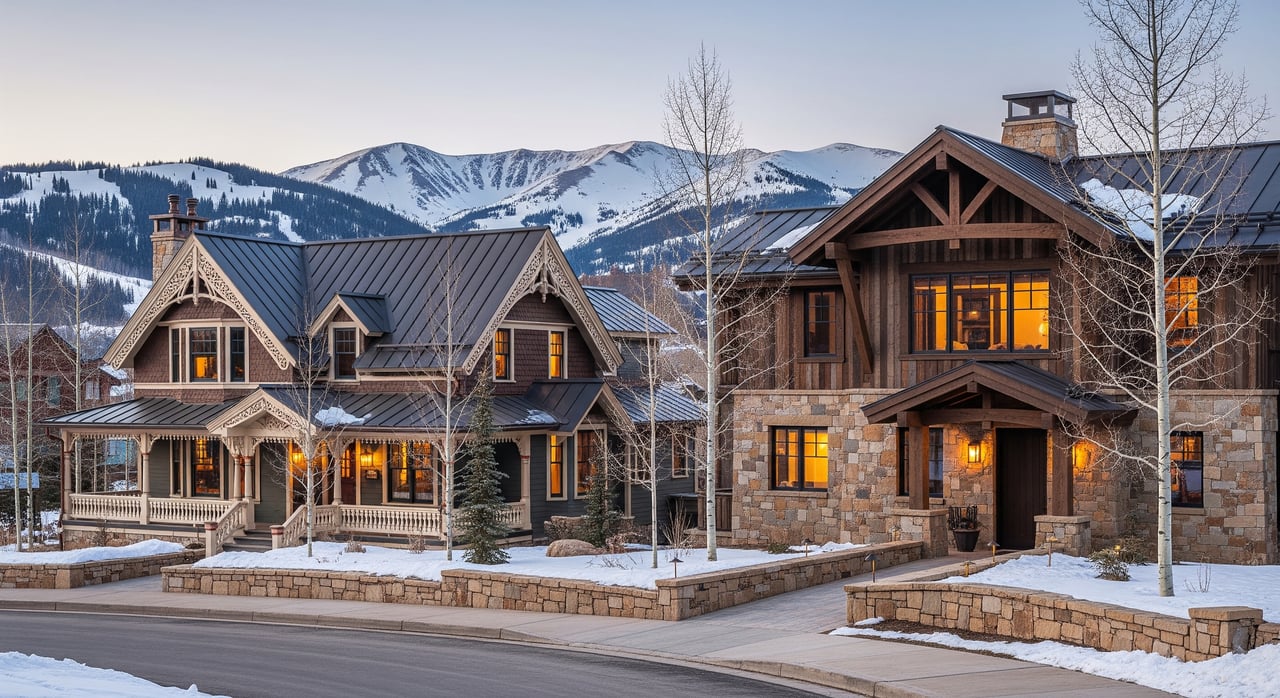
Breckenridge’s historic core centers on Main Street and the adjacent blocks. You’ll find Victorian-era homes, a compact street grid, and easy access to shops, dining, and year-round events. Typical options include updated historic single-family homes on smaller lots, duplexes, and low-rise condos or townhomes near Main Street.
If you value walkability and a downtown lifestyle, this area delivers. It also draws steady visitor interest, which supports year-round rental demand. Expect tradeoffs like limited single-family inventory, potential upgrade needs in older homes, tighter parking, and strict town, historic district, or HOA rules that protect neighborhood character. Short term rentals availability ranges in the downtown core of Breckenridge, so be sure to confirm Zones and regulations when searching.
Peaks 8 and 9 at the Base of Breckenridge Ski Resort
The bases of Peak 8 and Peak 9 are designed around lift access and ski in/ski out possibilities. These popular neighborhoods include the Village at Breckenridge, Beaver Run Resort, Main Street Station, Columbine, and the Four O'Clock area. Housing here leans toward larger condo buildings, luxury slope-side residences, and, in some cases, fractional ownership. Many complexes offer on-site amenities such as restaurants, pools or hot tubs, and ski or bike rentals.
If ski convenience is your top priority or you want strong winter rental potential, slope-side is hard to beat. These properties usually command a premium price per square foot and often carry higher HOA fees. You’ll also see more tourist activity and, in some complexes, stricter rental policies.
Family and residential neighborhoods
Areas east and south of downtown and the resort, such as planned neighborhoods with more single-family lots, feel quieter and more residential. Homes commonly range from 2 to 4 bedrooms, with some townhome options and larger yards. These neighborhoods typically include Peak 7, Woodmoor, Weisshorn, Breck Heights, Warrior's Mark, and more.
These pockets tend to suit comfortable living with more space and storage. Short-term rental rates are typically lower than true slope-side addresses and rental licenses can be harder to come by.
Luxury enclaves and custom-home communities
Newer luxury areas sit at higher elevations with big-mountain views, privacy, and planned community features like maintained trails and easy access to the Breckenridge Golf Course. Homes are custom and often showcase mountain modern architecture, timber and stone details, and larger garages for gear. Homes in the Highlands, Timber Trail, Snowy Ridge, and Summit Estates neighborhoods typically fall into this category.
You get space, design, and scenery, plus long-term appeal in the luxury segment. The tradeoffs are premium pricing, higher maintenance, and rental demand that can be more selective than slope-side condos, depending on access and amenities.
Nearby Summit County alternatives
Many buyers compare Breckenridge to nearby towns like Frisco, Dillon, Silverthorne, and Blue River. These areas can offer more inventory, easier I-70 access, and, in some cases, lower entry prices.
Commute times to the Breckenridge ski resort vary, with Frisco functioning as a central hub. If you want broader options or a different pace while staying close to Breckenridge, include these towns in your short list.
Many buyers are now considering the towns of Alma and Fairplay, about 20-30 minutes south of Breckenridge, as a cost-efficient alternative for a slower pace and more room.
Home styles and what to expect
Historic Victorians and in-town single-family
Expect character details like porches and gables on narrow lots, with interiors often modernized over time. Review any historic preservation requirements and look closely at foundations, insulation, electrical systems, and roof design for snow loads. These homes shine for charm and walkability, with upkeep that can be more involved.
Mountain-modern, chalet, and log homes
Custom homes in the trees or on view lots often feature sloped roofs, timber and stone accents, large windows, and multi-level layouts that follow the terrain. Plan for wood care, heating system performance, and snow-management needs. Utility and insurance costs can be higher in larger, custom properties.
Townhomes and duplexes
These multi-level options balance space with lower exterior maintenance than a standalone home. HOAs vary, so review rental rules, parking allocations, and pet policies. Townhomes can be a practical bridge between condo living and single-family ownership.
Condominiums and condo-hotels
Resort-area condos range from studios to four bedrooms, with some buildings operating like hotels. Amenities can include pools, hot tubs, front desks, and on-site rental management. Review HOA fees, whether short-term rentals are allowed, and any building-specific rental program requirements.
Ski-in, ski-out, and ski-access properties
These homes and condos are all about immediate trail and lift connectivity. Premium pricing reflects the convenience and rental demand, especially in winter. If a unit participates in a hotel-style program, confirm use rules, revenue splits, and owner blackout periods.
Workforce and deed-restricted housing
These homes serve local workers and essential service employees under eligibility criteria set by the town or county. Resales, pricing, and rental use can be restricted and closely monitored. Always confirm whether a property is deed-restricted before you make an offer. Some local workforce neighborhoods include Wellington, Blue 52, Lincoln Park, and the new Runway Neighborhood.
Budget, rentals, and lifestyle tradeoffs
What drives price
- Lowest entry points: older properties farther from lifts and Main Street.
- Mid-range: in-town single-family and residential neighborhoods.
- Highest: ski-in or slope-side condos and luxury custom homes.
Key cost drivers include proximity to lifts and downtown, views, lot size, age and condition, building amenities, and whether a unit sits inside a hotel-style program. Also plan for ongoing expenses like HOA fees, utilities and heating, snow removal, property management for rentals, and insurance tailored to mountain conditions.
Rental potential at a glance
- Slope-side condos and village units often achieve the highest winter rates and occupancy and are easiest to obtain a short term rental license.
- Downtown homes and condos see steady year-round interest due to walkability and events.
- Single-family and luxury properties can book well but often have higher operating costs and different turnover patterns. Rental licenses can be years out from availability.
If rental income matters, request third-party short-term rental projections for comparable units, verify licensing requirements, and check HOA covenants. Historical statements, when available, help validate assumptions.
Living style and daily rhythm
- Walkable downtown: shops, dining, and events at your door, with smaller lots and lively surroundings.
- Ski-in or ski-access: the fastest route to first chair, with more tourist traffic and seasonal rhythms.
- Residential neighborhoods: quieter streets, yards, and storage for vehicles and gear.
- Luxury enclaves: privacy and views, with a bit more driving to hubs.
Rules and realities that matter
Short-term rental licensing
The Town of Breckenridge requires a short-term rental license for properties inside town limits. Summit County has a separate system for homes outside the town boundary. Confirm the correct jurisdiction, zoning, parking and safety standards, occupancy taxes, and any caps or zone-specific limits before you buy.
Deed restrictions and workforce housing
Some developments include units reserved for local workers. These homes may not be eligible for vacation rental use and often have resale formulas. Always verify deed status and program rules early in your review.
Zoning, building, and permitting
Mountain parcels can involve steep slopes, height and setback limits, wildlife corridors, and water rights. Permitting may require snow-load engineering, drainage and erosion control, and wildfire mitigation planning. If you are considering additions or new construction, build a realistic timeline around local review.
Utilities, elevation, and maintenance
Breckenridge sits around 9,600 feet in elevation. Expect shorter building seasons, increased heating needs, and winter access considerations. Plan for snow removal, roof and gutter management, and mechanical upgrades in older homes to improve efficiency. Insurance policies should reflect mountain risks, including freeze damage and site-specific factors.
Taxes and fees
Like elsewhere in Colorado, property taxes are administered at the county level. If you plan to rent short-term, lodging and sales taxes apply and must be collected and remitted as required. Factor these into your operating budget.
Quick buyer checklists
Choose your location
- Rank what matters most: walkability, ski access, privacy, or summer amenities.
- Map your daily routine: groceries, schools, work-from-home needs, and parking.
- Test winter travel times and shuttle routes from each neighborhood.
- Compare rental demand by season if income is a goal.
Choose your housing type
- Decide on maintenance level: condo with HOA services vs single-family.
- Review building age, roof design, and heating systems for snow-country performance.
- Confirm HOA rules on rentals, pets, storage, and parking.
- Estimate utilities, snow removal, and insurance for an apples-to-apples comparison.
If you plan to rent
- Confirm licensing requirements for the correct jurisdiction.
- Check HOA bylaws for minimum stays, caps, or program requirements.
- Request third-party revenue projections and any historic statements.
- Budget for management fees, cleaning, supplies, and maintenance reserves.
Which neighborhood fits your goals?
- Ski-focused convenience: Slope-side condo or ski-access townhome near Peak 7, 8, or 9. You get lift access and strong winter demand, with higher purchase prices and HOAs.
- Walkable all-season life: In-town Victorian, duplex, or condo near Main Street. You get dining and events within minutes, plus steady shoulder-season interest.
- Full-time living with space: Single-family home in a residential pocket east or south of the core. You get a quieter street and room for gear, with a longer shuttle or drive.
- Privacy and views: Custom home in a luxury enclave. You get design and scenery, with premium pricing and more owner upkeep.
- Summer-first lifestyle: Golf-course or clubside area. You get fairway access and a calmer setting, with more seasonal rental demand.
Your next step
Buying in the mountains is part lifestyle and part logistics. You want clear guidance on neighborhoods, HOA and rental rules, and the real costs of owning at elevation. Our local team can help you compare options across Breckenridge and nearby towns, model rental potential, and manage a smooth transaction from offer to close.
If you’re ready to explore the right fit, connect with the local experts at Breckenridge Mountain Brokers. We offer buyer and seller representation, investor ROI analysis, condo and HOA guidance, and end-to-end transaction support tailored to Summit County.
FAQs
What’s the difference between slope-side and in-town Breckenridge properties?
- Slope-side maximizes ski convenience and winter rental rates, while in-town maximizes walkability and steady year-round appeal.
Are short-term rentals allowed everywhere in Breckenridge?
- No. Licensing and zone-specific rules apply inside the Town of Breckenridge and separately in unincorporated Summit County, and HOAs can add their own rules.
How do HOA fees affect condos near the lifts?
- High-amenity buildings often have higher monthly dues that can reduce net income, so you should review budgets, reserves, and any rental program costs.
What should you know about buying a historic home downtown?
- Expect character and walkability, with possible upgrades to foundations, insulation, electrical, and roofs to handle snow loads and efficiency.
Does Breckenridge’s 9,600-foot elevation change maintenance needs?
- Yes. Plan for increased heating, snow removal, roof and gutter management, and insurance tailored to cold-weather and freeze risks.
How do nearby towns compare if you want more inventory or lower prices?
- Frisco, Dillon, Silverthorne, and Blue River often offer broader choices and easier highway access, with varying commute times to Breckenridge ski areas.